
 TAB Argentina
 TAB Australia
 TAB Austria
 TAB Canada
 TAB Chile
 TAB Czech Republic
 TAB England
 TAB France
 TAB Germany
 TAB India
 TAB Ireland
 TAB Israel
 TAB Lichtenstein
 TAB Mexico
 TAB Moldova
 TAB Netherlands
 TAB New Zealand
 TAB Paraguay
 TAB Portugal
 TAB Romania
 TAB Scotland
 TAB Slovakia
 TAB South Africa
 TAB Spain
 TAB Switzerland
 TAB United States
 TAB Wales
.jpg?width=670&name=bigstock-Smartphone-with-cloud-of-appli-24096827%20(2).jpg)
For today’s CEOs and business owners, the smartphone has become far more than a communication device. It’s a decision-making hub, a productivity engine, and often the fastest way to maintain visibility across the business without slipping into micromanagement.
Yet many leaders feel overwhelmed by technology rather than empowered by it. Too many apps, too many notifications, and too little clarity about what actually adds value.
This guide consolidates insights from TAB members around the world, updated with modern tools and AI-powered apps, to create a practical, leadership-focused mobile toolkit. The goal is to lead better, with less friction.
Start With Intent
Before choosing tools, effective CEOs are clear about why they’re using their phones.
At its best, a mobile toolkit should help you:
- Make better decisions with less effort
- Communicate clearly without constant meetings
- Stay informed without hovering
- Protect focus, energy, and wellbeing
Several TAB members emphasize that discipline matters more than technology. Downloading every potentially useful app quickly leads to clutter, distraction, and decision fatigue.
A smaller, intentional toolkit will always outperform a crowded home screen.
Keep Work and Personal Use Clearly Separated
Blurring personal and professional use is one of the fastest ways to introduce risk, from security breaches to burnout.
Earlier advice often suggested carrying two phones, but many leaders now rely on:
- Separate work profiles
- App-level permissions
- Biometric security and password managers
This approach protects sensitive data while allowing leaders to stay flexible.
As several TAB facilitators note, separation is about mental boundaries as much as security. When everything lives on one device without structure, leaders are never fully off.
Core Productivity and Planning Tools
Every CEO needs a trusted system for capturing ideas, prioritizing work, and planning time. Without one, important decisions get buried under urgent tasks and constant interruption. The right productivity and planning tools help leaders stay focused on what matters most. They create structure without rigidity, making it easier to think clearly, plan ahead, and lead with intention rather than reaction.
- Notion
Increasingly recommended by TAB members supporting fast-growing businesses, Notion combines notes, documents, project tracking, and databases in one place. Leaders use it for board prep, strategic planning, and capturing insights on the move. - Todoist
Simple, fast, and highly effective for personal task discipline. Many CEOs prefer it because it helps them to decide what matters today. - Fantastical
Jon Seidel, TAB Board Facilitator in East Bay North, recommends Fantastical as a single, unified calendar view for leaders juggling multiple commitments across work and personal life. - Motion
Motion uses AI to automatically schedule tasks around meetings, helping CEOs reclaim focus time, something many leaders say is their scarcest resource.
Communication and Collaboration (Without Meeting Overload)
Communication is one of a CEO’s highest-leverage activities and is therefore one of the easiest places for inefficiency to creep in.
TAB members consistently highlight the importance of reducing unnecessary meetings while maintaining clarity and accountability.
- Slack
Slack remains popular for internal communication, particularly when leaders model good habits around channels, response expectations, and documentation. - Microsoft Teams
Often preferred by organizations embedded in Microsoft 365, Teams combines chat, video, and document collaboration in one place. - Loom
Doug Kerr, TAB Owner in Etobicoke/Mississauga, credits Loom with dramatically improving how he trains and communicates with virtual support teams, without live meetings. - Zoom
Still the default for many external conversations, especially client-facing and board-level discussions.
Finance, Expenses, and Real-Time Visibility
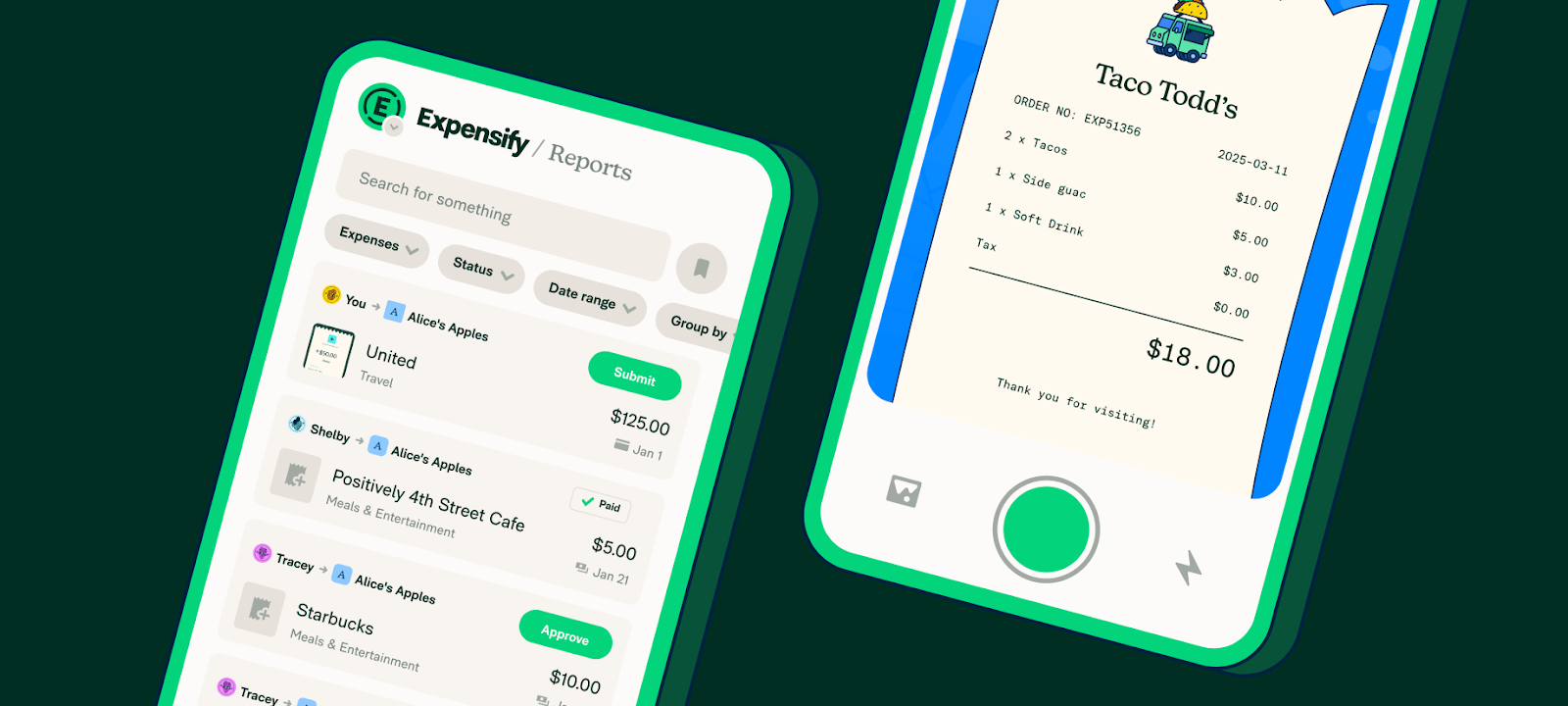
CEOs don’t need to manage the numbers day to day, but they do need timely, accurate visibility. Without it, small issues can go unnoticed and decisions are made on instinct rather than insight.
Mobile finance tools give leaders a clear, real-time view of cashflow, spend, and key metrics, without pulling them into operational detail or slowing teams down.
Mobile finance tools allow leaders to stay informed without becoming a bottleneck.
- QuickBooks
Widely used by TAB members to check cashflow, invoices, and financial snapshots on the go. - Expensify
PJ Timmins, TAB Managing Director in Ireland, includes Expensify as a core tool for tracking and measuring spend across teams. - MileIQ
Joe Palmer, TAB Owner in North Texas, highlights MileIQ as a major time-saver for mileage and expense tracking. - Revolut Business
Increasingly popular with SMEs for real-time payments, FX, and spend visibility.
Want additional insight? Download Productivity Hacks for Business Owners

Writing, Clarity, and AI Support
Much of a CEO’s influence is expressed through words, in emails, updates, decisions, and direction. When communication is unclear, misalignment spreads quickly and progress slows.
Writing and AI tools help leaders communicate with greater clarity and confidence, even under time pressure. Used thoughtfully, they reduce friction, improve understanding, and free up time for higher-value thinking and leadership work.
Modern CEOs write constantly, sending emails, updates, strategy notes, and messages to teams. Clarity isn’t optional.
- Grammarly
Recommended by several TAB members, Grammarly helps leaders maintain professionalism and clarity under time pressure. - ChatGPT
Increasingly used by CEOs to draft communications, summarize meetings, and turn rough ideas into structured output. - Otter.ai
Automatically records and summarizes meetings, reducing note-taking and improving follow-through.
Projects, Processes, and Accountability
As businesses grow, visibility becomes harder to maintain and the risk of micromanagement increases. Leaders need to know what’s moving forward without chasing updates or inserting themselves into every decision.
The right project and process tools create shared accountability and transparency. They allow CEOs to stay informed, spot issues early, and support teams effectively, without becoming a bottleneck or a constant presence in day-to-day work.
Effective leaders create transparency without chasing updates.
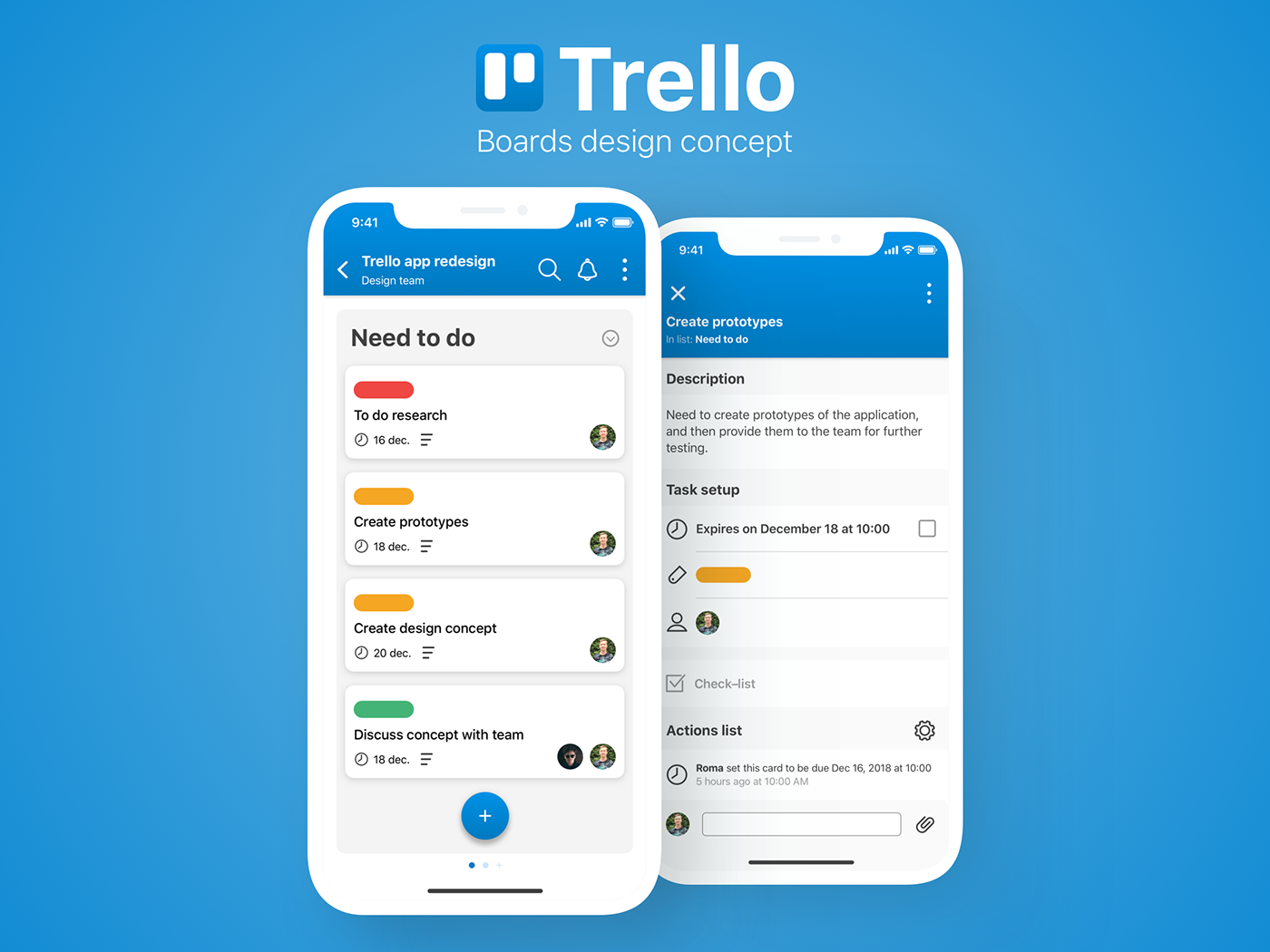
- Trello
Jodie Shaw, CMO at The Alternative Board Worldwide, highlights Trello as invaluable for managing projects with a remote team. - Asana
Better suited for complex, cross-functional work with dependencies and timelines. - Process Street
Laura Drury, CEO at TAB Focused Directions, recommends Process Street for capturing and managing repeatable workflows like onboarding and compliance.
Wellbeing, Focus, and Energy Management
Leadership performance depends as much on energy and clarity as it does on time. For CEOs and business owners, constant context-switching, decision pressure, and always-on communication can quietly erode focus.
Wellbeing tools are about staying effective. Used well, they help leaders manage stress, protect concentration, and show up fully for the conversations and decisions that matter most.
- Headspace
John Mousseau, TAB Owner in Jersey Shore North, uses Headspace before coaching sessions and board meetings to improve focus and presence. - Calm
Popular with leaders focused on sleep quality and recovery. - Forest
Encourages deep work by blocking distractions and reinforcing focus habits.
Security and Control
For many CEOs, security feels like an IT concern. In reality, leadership behaviour plays a major role in managing risk. Smartphones hold access to email, documents, financial systems, and customer data, making them one of the most sensitive assets in the business.
As companies grow, access multiplies and risk increases quietly. A small number of well-chosen security tools can reduce exposure without adding friction, while signalling that security is a leadership priority, not an afterthought.

Security is a leadership responsibility.
- 1Password
Essential for managing secure access across systems, teams, and devices. - LastPass
Still widely used, though some leaders prefer alternatives depending on security requirements.
Fewer Tools Means Better Leadership.
The most effective CEOs don’t use more apps, they use better ones, more intentionally. They are clear about what deserves their attention, and they design their mobile toolkit to reinforce that clarity rather than compete with it.
Used well, your phone becomes an extension of how you lead: a way to remove friction, communicate decisively, and maintain visibility without constant interruption. Used poorly, it becomes a source of noise, distraction, and reactive decision-making.
Your mobile toolkit should:
- Reduce friction, not create it, by simplifying access to information and eliminating unnecessary steps
- Improve clarity, not noise, by supporting clear communication and shared understanding across teams
- Support focus, not fragment it, by protecting time for thinking, planning, and high-value work
Ultimately, the goal isn’t productivity for its own sake. When your tools are aligned with how you lead, and not just how you work, your phone stops being a distraction and starts becoming a quiet strategic advantage in running the business.
Want to learn more about technology applications that can help drive business growth? Check out this article, “8 Ways to keep Your Employees Accountable in a Virtual Environment.”