
 TAB Argentina
 TAB Australia
 TAB Austria
 TAB Canada
 TAB Chile
 TAB Czech Republic
 TAB England
 TAB France
 TAB Germany
 TAB India
 TAB Ireland
 TAB Israel
 TAB Lichtenstein
 TAB Mexico
 TAB Moldova
 TAB Netherlands
 TAB New Zealand
 TAB Paraguay
 TAB Portugal
 TAB Romania
 TAB Scotland
 TAB Slovakia
 TAB South Africa
 TAB Spain
 TAB Switzerland
 TAB United States
 TAB Wales
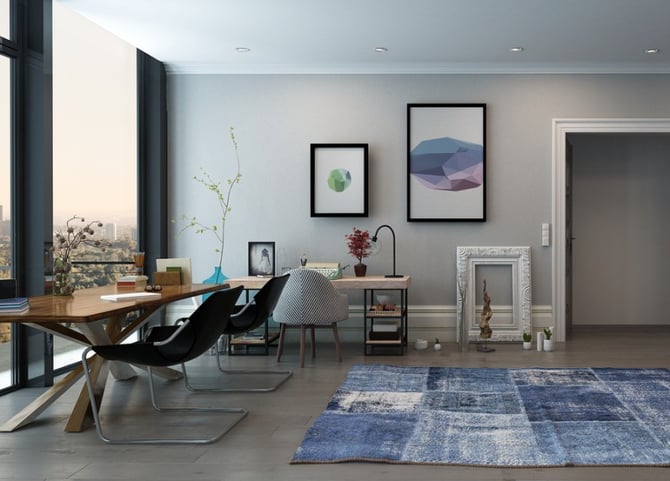
When was the last time you thought about changing the design of your workplace? If you feel there’s potential for greater productivity among your employees, take a close look at how your office or workspace is presently configured. This design might just be limiting employee engagement or participation in ways that affect everyone throughout the organization.
To enhance productivity and minimize employee burnout, keep these design options in mind:
Explore the open space option. It’s not right for every business, but many U.S. companies have adopted the open space concept for office design. Eliminating cubicles and private offices and replacing them with workstations in an open area often facilitates greater interaction and collaboration among employees—not to mention potential cost reductions in utilities, construction, office equipment, etc. This approach can be particularly beneficial for departments that rely on employee creativity to solve operational and/or marketing issues.
Look at alternative seating arrangements. There’s no inherent reason employees must be anchored to a traditional desk/chair seating arrangement. Many businesses are exploring the use of stand-up desks or so-called “walking desks,” that enable workers to stand in place or stroll about as part of their working day. For many of us, it’s far healthier to stand while working, rather than sit for hours in one place.
Focus on collaboration. Workplace designs that effectively promote collaboration can result in new perspectives for nagging customer-service problems and/or opportunities to brainstorm fresh ideas for product upgrades and other innovations.
“Creating paths for chance meetings, including nooks, and designing agile, unique workspaces are solutions that designers say promote collaboration, creativity, and productivity in the modern office,” notes Fast Company. When people gather to work on a problem—rather than trying to come up with solutions on their own—great things can happen.
Want additional insight? Download Productivity Hacks for Business Owners

Offer employees a choice about workplace design. Obviously, employees will express differing preferences for an ideal workplace environment. Within reason, look for opportunities to offer them choices about office set-ups—stand-up or reconfigurable desks, reliable ventilation, natural lighting, tweaks in office temperature, etc.—and emphasize the importance of making people comfortable while they work. Imposing mandatory workspace design changes is a less effective approach and can trigger negative feelings among employees.
Reduce the noise factor. Wherever people congregate, there’s bound to be more noise than usual. Again, some employees may thrive on that background hum, while for others it’s an intolerable distraction. Here are some factors to include in your “sound-friendly” strategies:
- Look for office furniture, partitions and cabinets that incorporate noise reduction as part of their features.
- Buy equipment (printers, copy machines, etc.) that operate at a low level of sound.
- Install carpets or vinyl flooring—as opposed to ceramic or hardwood options—that minimize the sounds of footsteps (employees situated nearest established office pathways will thank you for this!).
- Store office supplies in an area away from the workspace, so people aren’t distracted by others searching through supplies for the box of specialized paper clips they like.
Don’t forget the privacy factor. Even in an open, collaborative and high-functioning workspace, there’s still a need for privacy at times. Some design experts advise placing small nooks near social gathering areas, so people can step aside and communicate further on a particular topic, if they so desire. It’s also important for employees to have a private area to make conference or video calls. Small “private zones” should be an essential element of any comprehensive workspace redesign.
Want more advice on promoting employee productivity or general advice from other business owners like you? Find out if a TAB Board is right for you!