 TAB Argentina
 TAB Australia
 TAB Austria
 TAB Canada
 TAB Chile
 TAB Czech Republic
 TAB England
 TAB France
 TAB Germany
 TAB India
 TAB Ireland
 TAB Israel
 TAB Lichtenstein
 TAB Mexico
 TAB Moldova
 TAB Netherlands
 TAB New Zealand
 TAB Paraguay
 TAB Portugal
 TAB Romania
 TAB Scotland
 TAB Slovakia
 TAB South Africa
 TAB Spain
 TAB Switzerland
 TAB United States
 TAB Wales

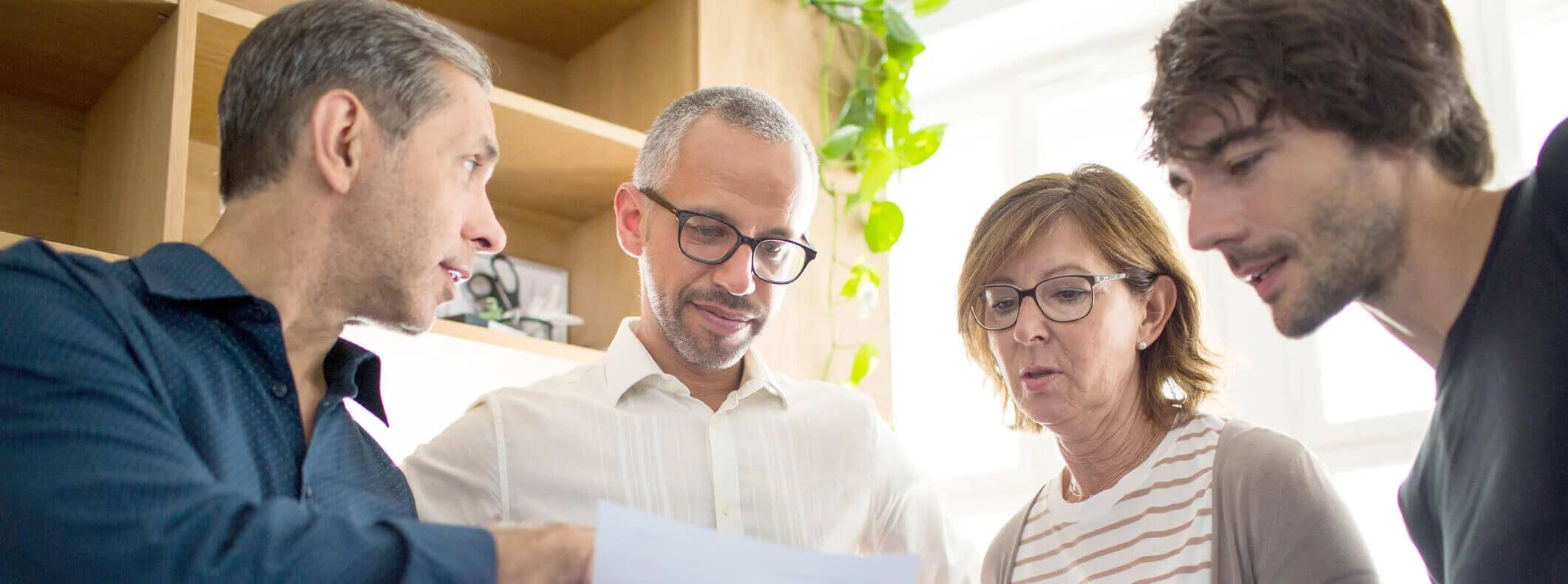
A CEO peer group is a small, standing circle of non-competing owners and chief executives who meet on a set schedule to work through each other's real decisions. A trained facilitator runs the meetings and keeps them confidential. You bring a live problem, get honest questions and options from people who carry the same weight, and leave with clear next steps.
Why the Top Seat Feels Lonely
The biggest calls stop with you. That is the quiet cost of leading a company. You can talk through some of it with your team, yet not all of it.
Think out loud with employees and you can spark worry or office politics. Do it with investors and it can read as doubt. Do it with family and it turns into stress with no business context. So the hardest questions often get no airing at all.
A CEO peer group fixes that gap. It gives you a room of people who sit in the same seat you do, who have no stake in your company, and who will tell you the truth.
Things were quite lonely at the top... With my TAB board, I had people I could turn to for advice and who could help me consider other options for challenges or things I wanted to achieve in the business.
How a CEO Peer Group Works
Four features make a peer group work. Each one exists to make honest talk possible and to keep the advice grounded in your real situation.
- Non-competing members
- Members come from different industries, so no one is guarding an edge. You can speak plainly about numbers, people, and risk, and you get fresh thinking from outside your market.
- Confidential by design
- What is said in the room stays in the room. That safety lets you bring the messy middle of a decision, not just the polished version you show the world.
- Standing membership
- The same group meets over months and years. Trust and shared context build, so members can challenge patterns in your thinking, not just one-off events.
- Facilitator-led
- A trained facilitator runs each meeting, protects everyone's airtime, and keeps the group focused on the real question instead of quick opinions.
This is the model behind TAB's peer advisory boards, where owners meet in facilitated, confidential groups to work on the decisions that matter most.
Who Belongs in the Room
The room fits leaders who own the whole result: pricing, people, cash, and growth. Think owner-CEOs, presidents, and general managers with full profit-and-loss responsibility.
It usually does not fit a functional head, such as a marketing or operations lead, unless that person carries the full result too. What matters is shared decision weight rather than matching revenue. A five-million-dollar owner and a fifty-million-dollar GM can face the very same call.
What Happens in a Typical Meeting
Most meetings follow a steady rhythm. Here is how a session tends to run:
- Quick updates. Each member shares a short update and reports back on what they committed to last time.
- The hot seat. One or two members take the floor with one real, current issue.
- Questions first. Peers ask clarifying questions to understand the situation before anyone offers advice.
- Options and pushback. Members share what they tried in similar spots, name the risks, and lay out real options.
- Commitments. The member leaves with specific next steps, an owner for each one, and a date to report back.
The follow-up loop is where the value compounds. You commit in front of the group, then you answer for it next month.
What the Facilitator Does
The facilitator is the reason the room stays useful. They run the clock, protect equal airtime, and keep the tone respectful and direct.
Their most important job comes early. Before peers jump to fixes, the facilitator pushes for clarity: what is the goal, what are the limits, and what does a good outcome look like? Getting the real problem on the table first is what separates a peer group from a loose roundtable.
That coaching layer is what makes peer coaching groups work. Good facilitation turns a room of opinions into a clear decision you can act on.
How Confidentiality Protects Candor
Confidentiality is the operating system of a peer group. Without it, members share the safe version and the advice stays shallow. With it, you can put the real issue on the table.
That means talking openly about a cash-flow gap, a leadership hire that is not working, or your own bandwidth. The honesty is only possible because the room is safe.
CEO Peer Group vs. Consulting vs. a Personal Network
A peer group is easy to confuse with a consultant or your own contacts. They solve different problems. This table shows where each one fits.
| Dimension | CEO peer group | Paid consultant | Personal network |
|---|---|---|---|
| What you get | Honest questions and options from peers who carry the same weight | Analysis, deliverables, and hands-on help to execute | Friendly advice and encouragement, when people are free |
| Their incentive | Mutual help; members want each other to win | A fee tied to the engagement | Goodwill, with no structure behind it |
| Structure | Standing group, set cadence, facilitated, confidential | Project-based and time-bound | Ad hoc calls with no follow-through |
| Best for | Deciding better on the calls that stop with you | Building and running a plan once the direction is set | Quick gut checks and moral support |
Consultants earn their fees once you know the direction. A peer group helps you get the direction right in the first place. For a closer look at that value, see what a peer advisory board can do for your business.
How a Peer Group Sharpens Your Decisions
The real payoff shows up over time. Say you bring a live call to the room: do you replace a long-tenured sales leader who still hits quota yet blocks every change you need?
You share the pipeline risk, your top accounts, and who could step up. Peers test your assumptions, flag the cost of waiting, and offer options you had not weighed. You leave with a tested plan and a date to report back.
Do that month after month and your judgment gets sharper. You learn to frame problems faster, weigh trade-offs cleaner, and make people calls with more confidence. Once you know a peer group fits, finding the right peer advisory group is the next step.
CEO Peer Group FAQs
- How is a CEO peer group different from a mastermind group?
- The lines blur, though the difference is structure. A CEO peer group has fixed, non-competing membership, a trained facilitator, and confidentiality rules. Many mastermind groups are looser, self-run, and open to anyone who pays. The facilitation and the standing roster are what keep a peer group honest and useful.
- How often do CEO peer groups meet?
- Most groups meet once a month for a half-day or full-day session. Many also add a one-on-one coaching check-in between meetings. The steady rhythm matters: it gives you a deadline to bring real issues and a group that expects an update on what you decided last time.
- Is what I share in a CEO peer group confidential?
- Yes. Confidentiality is the core rule, and most groups back it with a signed agreement and a plain what-is-said-here-stays-here standard. Members remove customer names and deal details when needed. That protection is what lets you bring cash gaps, a shaky hire, or your own limits into the room.
- Does a CEO peer group replace a board of directors?
- No. A peer group gives you pattern recognition and honest pushback from other leaders. It does not hold votes, provide capital, or sign off on legal matters the way a fiduciary board does. Many owners use a peer group alongside their board, lenders, and legal counsel rather than in place of them.